With public attention on corporate environmental activities, there is particular pressure on industrial companies to limit their impact on local water environment, says Adam Parmenter, industrial sales manager at WPL. This means robust wastewater treatment has never been more vital.
Pressure to improve wastewater treatment is higher than ever
Scrutiny of the water sector’s environmental performance has intensified over the past two years, catalysed in part by a heightened public appreciation of nature and outdoor spaces. As such, there is mounting pressure on utilities to improve their wastewater treatment systems and meet progressively higher standards set by regulators.
A major investigation into management of wastewater treatment works in England was announced by the Environment Agency and Ofwat in November 2021, at the same time as a new Environment Act became law. These measures remove any doubt that the expectations being placed on the sector are immense. Industrial and manufacturing businesses that treat their wastewater onsite and discharge to a public sewer may find this trend is reflected in tighter trade effluent standards set by water companies.
Tighter restrictions on industrial discharges are discussed
Centralised treatment plants are already seeking to accommodate multiple challenges, including growing populations, climate change and new pollutants emerging in the environment, which could push utilities to place tighter restrictions on industrial discharges to the sewer network. Having the correct treatment process in place is essential if industrial sites are to operate within the conditions of their trade effluent permits, avoid high tankering costs and minimise the risk of fines, penalties and prosecutions.
Precise water quality parameters vary from site to site, but all trade effluent permits include a set measurement for chemical oxygen demand (COD), an indicator of the amount of oxygen required to break down pollutants in water. COD determines the effect treated effluent will have on the receiving watercourse – and the number needs to be as low as possible.
Once companies have removed as much COD as possible using screening and solid removal processes, they may find they still need to reduce the levels of organics further to comply with regulations. This is where biological treatment comes into play.
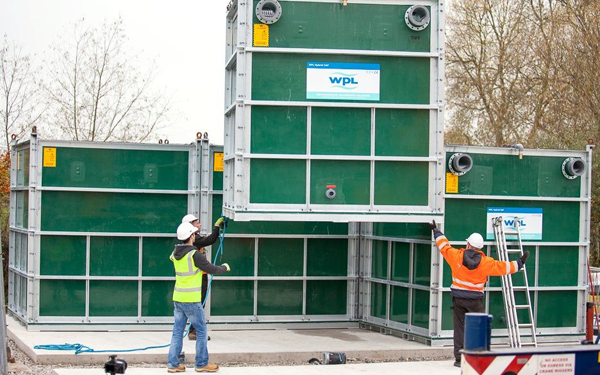
Biological wastewater processing technologies such as WPL’s Hybrid-SAF are effective in reducing COD to the levels set by water companies, however stringent. They can also meet environmental requirements on biochemical oxygen demand (BOD) and ammonia.
The modular onsite treatment units are built offsite in a controlled environment. Easily installed, they can also be retrofitted into existing plants. Additional stages can be added to the process train to remove pollutants such as phosphorous where required by a permit.
The option of hire offers immediate enhancement to onsite effluent treatment, meaning compliance is achieved and businesses have breathing space to plan out a permanent fix. This option allows businesses to then conduct a full-scale operational trial, with sampling and lab testing of effluent, to build a case for capital funds and ensure the correct processes are installed, helping inform a permanent, customised solution.
Simple solutions to complex and urgent issues
The option to hire and then trial the solution before purchasing also means compliance is achieved quickly, without a capital expenditure commitment. Industrial companies, whose core expertise may not lie in biological effluent treatment, are often surprised – and relieved – to learn there can be a simple solution to what is often seen as a complex and urgent issue.
WPL is a framework supplier to water utilities, partnering with them on their own wastewater treatment projects. This gives the business a deep understanding of the pressures facing the whole sector. The good news is that maintaining compliance, even in the most challenging circumstances, is achievable, enabling companies to satisfy all stakeholders, and provide full protection to valued watercourses.
WPL and Atana are part of WCS Environmental Engineering, which has the in-house skills and expertise in place to deliver from a single point of hire equipment to full turnkey industrial trade effluent solutions.
More information at www.wplinternational.com.